Dubai Desert Horse Ride Experience: Explore Al Marmoom and Al Madam Desert
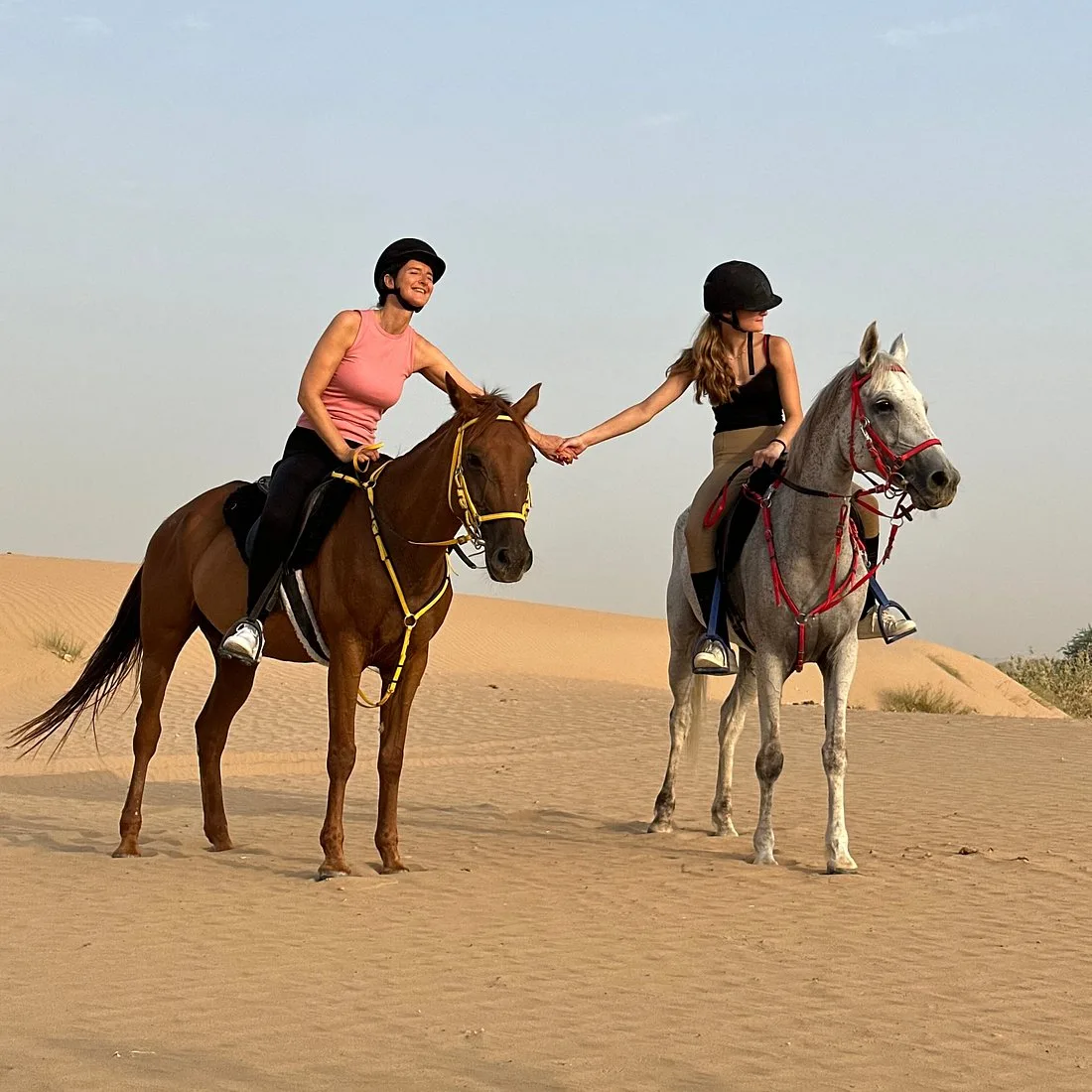
There is something about crossing the sand on horseback that no 4×4 can match. The pace slows, the engine noise disappears, and the desert becomes something you feel rather than watch through a window. Desert horse riding in Dubai offers exactly that: a guided ride through open dunes, usually between 30 and 45 minutes, suitable for first-timers and experienced riders alike.
The quick answer for most visitors: the most practical place to ride is Al Marmoom, Dubai’s desert conservation reserve. A second name often comes up in travel plans, Al Madam, home to the famous half-buried abandoned village. The two are very different places, and Al Madam is not in Dubai at all. This guide explains what a desert ride involves, how the two areas compare and how to choose the right experience.
What Is a Dubai Desert Horse Riding Experience?
A desert horse riding experience is a guided ride on a trained horse through open desert terrain or, for nervous beginners, an enclosed arena at the stables. You are never alone: a guide or handler matches you with a horse suited to your level, shows you how to mount, steer and stop, and rides or walks alongside you.
Formats vary between operators, but the common pattern is a short safety briefing, a helmet fitting and a ride of around 30 to 45 minutes. Beginners stay at a gentle walk; confident riders may be allowed a faster pace where the ground and the guide allow.
The UAE has a deep equestrian heritage, and Arabian horses in particular are part of the region’s identity. Riding in the desert connects you with that tradition in a way few other activities can. It also comes with responsibilities: a good operator puts the horse’s welfare first, keeps rides to sensible lengths in the heat and never asks a horse to carry more than it should.
Horse Riding at Al Marmoom Desert, Dubai
Al Marmoom Desert Conservation Reserve lies south of the city and is the UAE’s first unfenced nature reserve. It covers roughly a tenth of Dubai’s land area, includes the Al Qudra Lakes and is managed by Dubai Municipality. Flamingos and hundreds of bird species have been recorded around the lakes.
The Landscape and Atmosphere
Al Marmoom feels open and calm. Expect rolling, mostly low dunes, scattered desert shrubs and long sightlines to the horizon. Away from the main roads it is quiet, and because the area has very little light pollution, evenings here are known for clear skies. It is a soft, natural setting rather than a dramatic one, and that makes it well suited to riding.
Why Riders Choose Al Marmoom
- Space and quiet: riding routes run through open desert rather than past traffic.
- Scenery: soft dunes, desert plants and wide skies that look beautiful in early-morning and late-afternoon light.
- Easy access: it is within Dubai, so getting there is straightforward from most hotels.
- Options for every level: stables in the area typically offer both arena rides and desert rides.
Practical Considerations
Al Marmoom is a protected reserve, so riding follows the routes the stable is allowed to use, and wildlife must be left undisturbed. The midday sun is strong for most of the year, which is why rides are usually scheduled for cooler parts of the day. Our own Dubai Desert Horse Ride Experience takes place at Al Marmoom, with 30- or 45-minute rides in the desert or the stable arena.
Best suited to: first-time riders, couples looking for a peaceful activity, nature lovers and photographers, and anyone who wants a desert ride without a long drive.
Al Madam Desert: The Abandoned Village and Its Landscape
Al Madam often appears in lists of desert places to visit near Dubai, so it is worth being clear about what it is. Al Madam is an inland town in the Emirate of Sharjah, where the Dubai–Hatta road (E44) meets the road to Mleiha. It is a drive from Dubai rather than part of the city.
The Abandoned Village
South of the town stands a small cluster of houses and a mosque known locally as Madam Old Town, or simply the ghost village. The development has been empty for decades, and the desert has steadily moved back in: sand drifts through doorways and fills the rooms, while the walls and roofs stand out against the dunes.
Atmosphere and Photography
The contrast between the weathered buildings and the encroaching orange sand is striking, especially in soft morning or late-afternoon light. It is a place for slow exploring and photography, and it carries a sense of how quickly the desert reclaims anything left behind. The wider area also has history: Iron Age sites such as Al Thuqaibah and Jebel Buhais, and the 19th-century Fili Fort, lie around the town, and the well-known Big Red dune is nearby at Badayer.
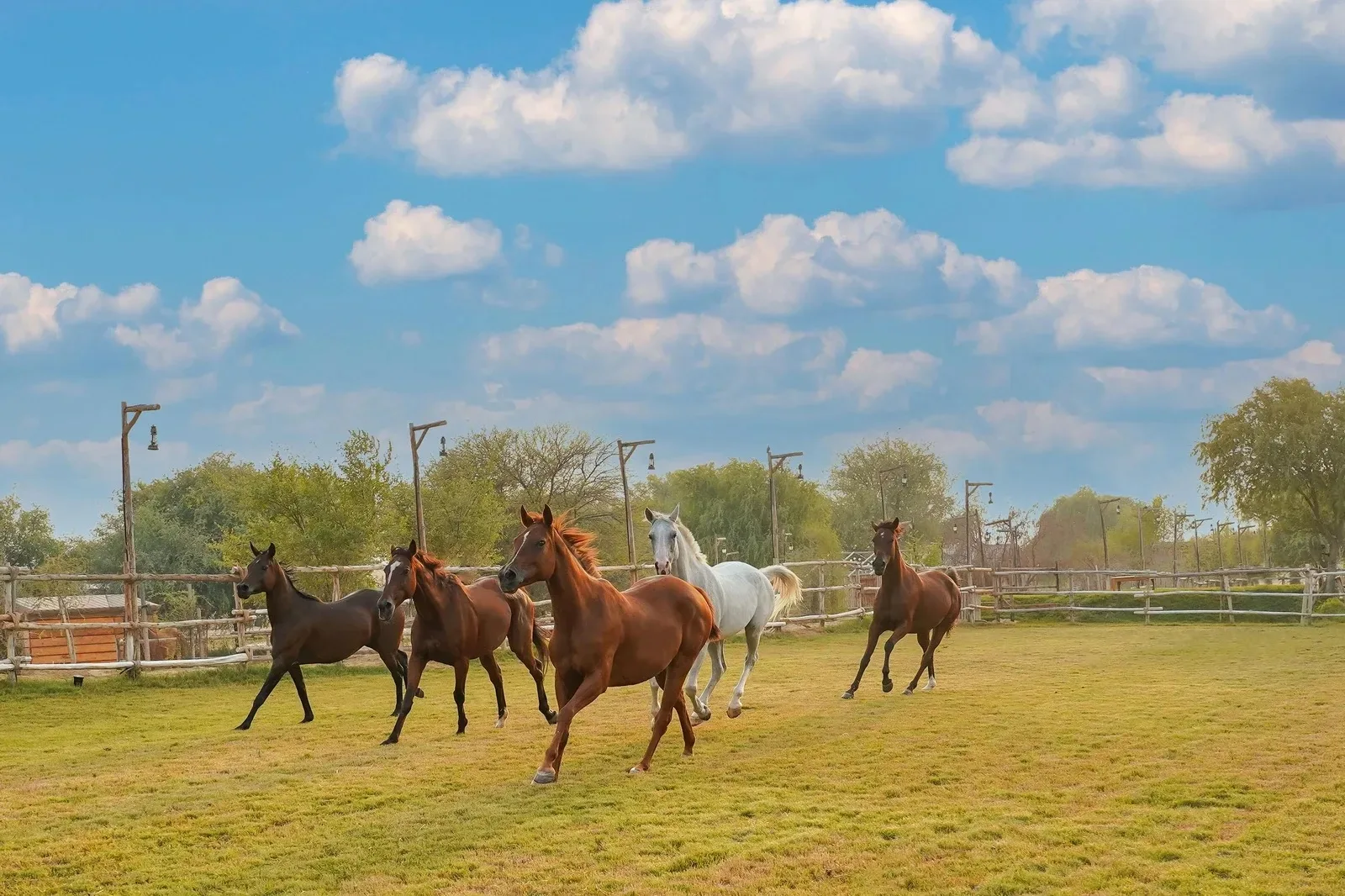
Can You Ride Horses at Al Madam?
This is the important point. Al Madam is famous as a heritage and photography stop, not as an established horse riding destination. Any ride in the wider desert there would depend on a stable operating in the area and on permitted routes and land access. Riding horses through or inside the abandoned buildings is not something visitors should attempt: the structures are fragile, and access can change. If Al Madam is on your wish list, ask our team what is possible on your dates before you plan around it.
Best suited to: photographers, travellers interested in history and abandoned places, and visitors combining a road trip through Sharjah’s interior with a desert stop.
Al Marmoom vs Al Madam: Which Desert Destination Should You Choose?
| Comparison | Al Marmoom (Dubai) | Al Madam (Sharjah) |
|---|---|---|
| General atmosphere | Calm, natural, protected reserve | Atmospheric, eerie, heritage feel |
| Landscape | Low rolling dunes, desert shrubs, lakes at Al Qudra | Open dunes around a sand-filled abandoned village |
| Main visitor appeal | Nature, wildlife, quiet desert | The ghost village and its photography |
| Photography opportunities | Riders against dunes and big skies | Buildings half buried in sand |
| Riding suitability | Established guided rides for all levels | Not an established riding area; ask first |
| Best suited to | Beginners, couples, families, nature lovers | Photographers, history and road-trip fans |
| Important considerations | Ride only on the stable’s permitted routes; protect wildlife | In another emirate; respect the buildings and local access rules |
In short: if your goal is a horse ride, choose Al Marmoom. If your goal is the abandoned village, plan Al Madam as a separate photography outing.
What to Expect During a Desert Horse Riding Tour
Every stable runs its experience a little differently, but a typical guided ride follows these stages. The details of our own ride are listed on the tour page.
- Booking and confirmation: you choose a date, a ride length and desert or arena riding, and share your riding level.
- Arrival: you meet the handler, either after a hotel pickup or at the stable’s meeting point.
- Meet your horse: a short introduction to your horse and how to approach it calmly.
- Safety equipment: a riding helmet is fitted before you mount.
- Briefing: how to sit, hold the reins, steer and stop, and what to do if you feel unsure.
- The guided ride: at your pace, with the guide close by.
- Photos: many rides end with time for pictures with your horse.
- Return: you dismount with help and head back.
Is Desert Horse Riding Suitable for Beginners?
For most people, yes. Guided desert rides are designed with first-timers in mind: calm horses, simple instructions and a guide who stays alongside. Your comfort matters more than your speed. A relaxed rider makes for a relaxed horse, so tell the operator honestly how much riding you have done and speak up during the ride if you want to slow down.
Stables also set limits for safety and horse welfare. These commonly cover minimum age, maximum rider weight and certain health conditions, such as pregnancy or back problems. The exact rules differ between operators, so always confirm them before you book. Families can read our guide to a desert safari with kids for more ideas that suit younger children.
Best Time for Horse Riding in Dubai’s Desert
- Season: October to April brings the most comfortable conditions for both riders and horses.
- Summer: from June to September, temperatures climb high during the day, so only early-morning or late-afternoon rides are sensible.
- Time of day: sunrise and late-afternoon rides offer cooler air and the softest light for photos.
- Weather: strong winds, dust or poor visibility can affect rides; a good operator will reschedule rather than ride in unsafe conditions.
Ride times vary by stable and season, so confirm the exact start time when you book.
What to Wear and Bring for a Desert Horse Ride
- Clothing: full-length trousers to protect your legs from the saddle, and breathable layers.
- Footwear: closed-toe shoes or boots with a small heel; never sandals or flip-flops.
- Avoid: shorts, skirts, scarves, long necklaces and loose jewellery that can catch on equipment.
- Sun protection: sunscreen and sunglasses; the desert glare is strong.
- Water: drink before and after your ride, even in winter.
- Phone or camera: keep it in a zipped pocket or secure strap while riding.
- Anything else: follow the operator’s equipment advice; a helmet is normally provided.
Safety and Responsible Horse Riding
- Choose a reputable operator with experienced guides who supervise every rider.
- Check the horses look healthy and well cared for, and that rides are kept to sensible lengths in the heat.
- Wear the equipment provided, and make sure your helmet fits properly.
- Follow your guide’s instructions and stay on the routes the stable is permitted to use.
- Respect wildlife, especially in a protected area such as Al Marmoom.
- Stay hydrated and tell your guide straight away if you feel unwell or uncomfortable.
Photography During Your Desert Horse Ride
The desert rewards photographers who plan around the light. Early morning and late afternoon give long shadows on the dunes and warm tones on both horse and rider. At Al Marmoom, wide shots of a rider against open sand and sky work beautifully; at Al Madam, the half-buried houses make powerful landscape images on their own. Keep photos quick and calm around the horses, ask before stopping for a shot, and avoid flash, which can startle animals.
How to Choose the Right Dubai Desert Horse Riding Tour
Before you book, check:
- The location and meeting point, and whether hotel pickup is included.
- The ride length and whether it is in the desert or an arena.
- Whether the ride suits beginners or experienced riders.
- The group size and how many guides ride with the group.
- How the operator looks after its horses.
- What safety equipment is provided.
- Exactly what is included and excluded.
- Age, weight and experience limits.
- The cancellation and weather policy.
Combine Your Ride with a Desert Safari
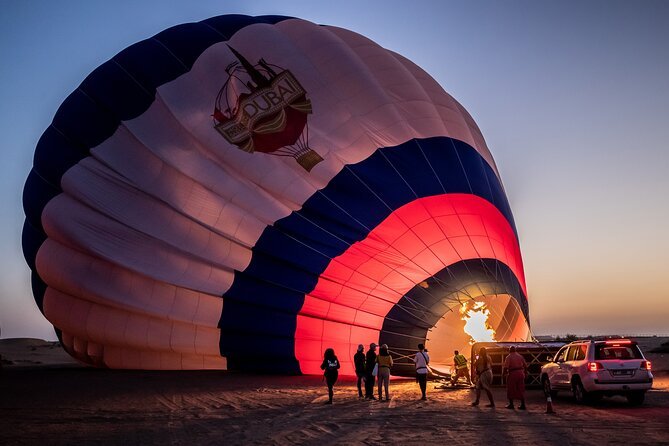
A morning horse ride leaves the rest of the day free. Many visitors pair it with our Evening Desert Safari, with dune bashing, a camel ride, BBQ dinner and live shows, or start the day even earlier with a sunrise hot air balloon flight. You can compare every experience on our desert safari tours page.
Book Your Dubai Desert Adventure with Desert Safari VIP
Desert Safari VIP is a Dubai desert experience brand operated by Zolotoi Travel and Tourism L.L.C. If a desert horse ride is on your list, see the details of our Dubai Desert Horse Ride Experience at Al Marmoom, or send us your preferred date, riding level and the area you are interested in through our contact page. We will confirm availability, location, inclusions and any age or weight limits before you book, so you know exactly what to expect.
Frequently Asked Questions
Can tourists go horse riding in the Dubai desert?
Yes. Guided desert horse rides are available to visitors, usually for 30 to 60 minutes, with a helmet and a safety briefing provided. Most stables accept beginners as well as experienced riders.
Where can I go desert horse riding in Dubai?
The best-known area is Al Marmoom, the desert conservation reserve south of the city that includes the Al Qudra Lakes. Desert Safari VIP offers guided rides there.
Is Al Marmoom good for desert horse riding?
Yes. It offers open, quiet desert with low dunes and wide horizons, away from city traffic, which suits both calm beginner rides and longer rides for confident riders on the routes the stable uses.
Can visitors go horse riding near Al Madam?
Al Madam is in the Emirate of Sharjah and is best known for its sand-filled abandoned village. Horse riding there depends on stable arrangements and permitted routes, so ask us before planning a ride in that area.
What is the difference between Al Marmoom and Al Madam?
Al Marmoom is a protected nature reserve in Dubai with lakes, wildlife and open dunes. Al Madam is a town in Sharjah whose nearby abandoned village, half buried by sand, is a photography and heritage stop rather than a riding destination.
Is desert horse riding suitable for beginners?
Usually, yes. Beginners are given a calm horse, basic instructions and a guide alongside. Always tell the operator your riding level when you book.
What should I wear for horse riding in Dubai?
Full-length trousers, closed-toe shoes or boots with a small heel, sunglasses and sun protection. Avoid shorts, sandals, scarves and loose jewellery, which are unsafe around horses.
What is the best time of year for desert horse riding in Dubai?
October to April is the most comfortable season. In the hotter months, early-morning or late-afternoon rides are the better choice.
How long does a desert horse ride take?
The ride itself is commonly 30 to 45 minutes, plus around 10 minutes for the briefing and photos. With hotel transfers, allow extra time for the drive to and from the desert.
Do I need previous horse riding experience?
No. Most guided desert rides welcome first-timers. Experienced riders should mention their level, as some rides allow a faster pace.
Is horse riding in Dubai suitable for families?
Yes, for older children who meet the stable's age and size rules. Younger children may be offered a short pony ride instead, subject to availability.
What should I check before booking a desert horse riding tour?
The location and meeting point, ride length, beginner suitability, group size, safety equipment, transfers, what is included, age and weight limits, and the cancellation and weather policy.